




Yoga: India's Ancient Wisdom and a Modern Path to Health, Prosperity, and Global Leadership
Vedansh Arora
June 20, 2026
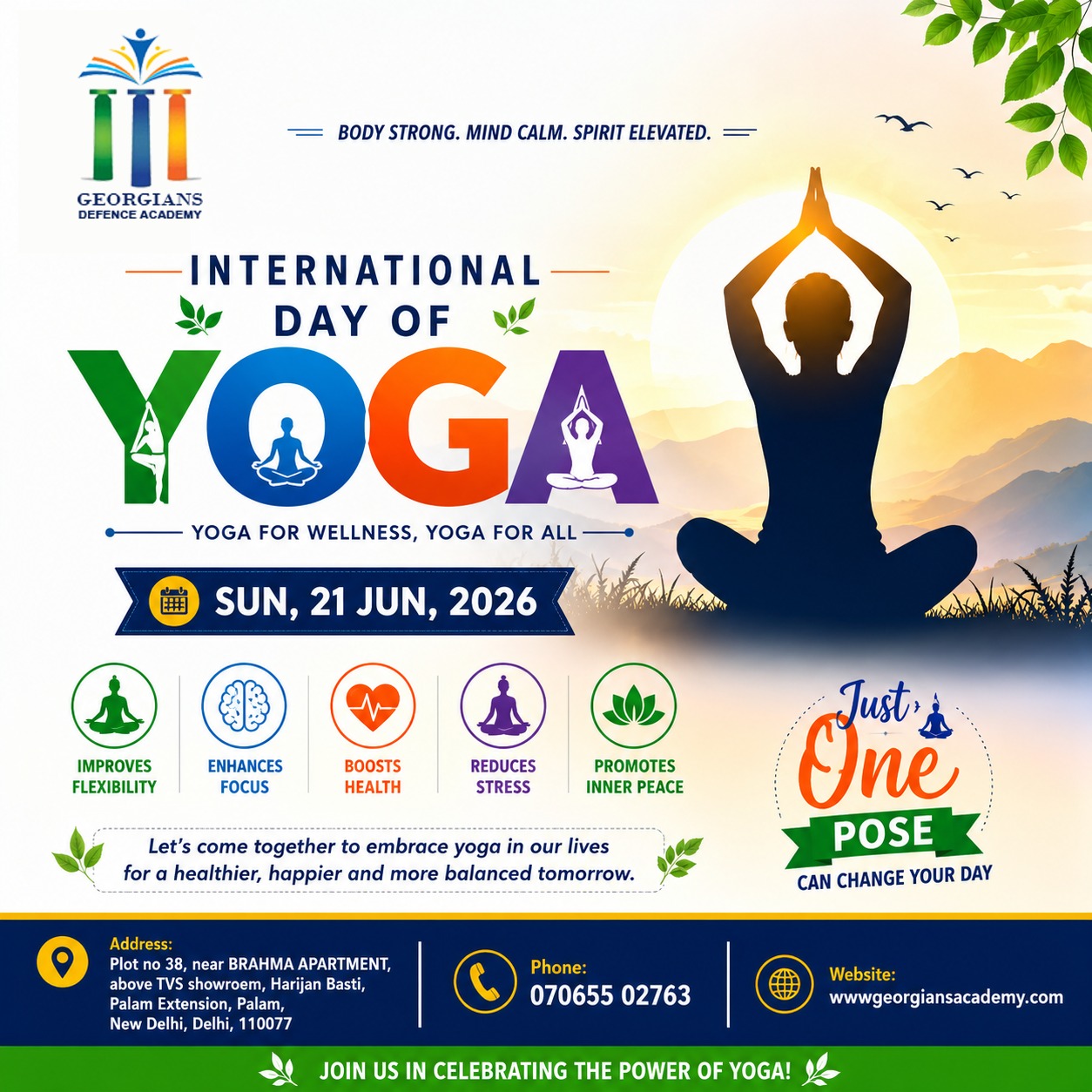
Yoga is one of India's most valuable contributions to humanity. Rooted in ancient philosophy and practiced for thousands of years, yoga has evolved from a spiritual discipline into a global movement that influences health, education, business, tourism, and personal development. Today, millions of people across the world practice yoga not merely as a form of exercise but as a holistic approach to living a balanced and meaningful life.
In an era characterized by stress, lifestyle disorders, environmental challenges, and growing healthcare costs, yoga offers practical solutions that benefit individuals, communities, and nations alike. For India, yoga represents not only a cultural heritage but also a significant opportunity for economic growth and global influence.
The Foundation of Holistic Health
The most recognized benefit of yoga is its positive impact on physical and mental well-being. Unlike conventional fitness routines that often focus solely on physical strength, yoga integrates the body, mind, and breath to promote overall wellness.
Regular yoga practice helps improve flexibility, posture, muscular strength, balance, and respiratory function. It also supports cardiovascular health and enhances energy levels. Beyond physical fitness, yoga contributes significantly to mental health by reducing stress, improving concentration, fostering emotional stability, and promoting better sleep quality.
As modern lifestyles become increasingly sedentary and technology-driven, yoga serves as an accessible and sustainable method for maintaining health and preventing disease.
Yoga as Preventive Healthcare
Healthcare systems around the world face mounting pressure due to the rising prevalence of lifestyle-related illnesses such as obesity, diabetes, hypertension, and anxiety disorders. Yoga offers a preventive approach by encouraging physical activity, mindful breathing, stress management, and healthy living habits.
Preventive healthcare is often more effective and economical than treating illnesses after they develop. By incorporating yoga into daily routines, individuals can improve their quality of life while potentially reducing long-term healthcare expenses. This makes yoga an important component of public health strategies aimed at promoting wellness and reducing disease burdens.
Economic Opportunities Created by Yoga
The yoga sector has emerged as a significant contributor to the wellness economy. What was once viewed primarily as a spiritual practice now supports a wide range of industries and professional opportunities.
The growing demand for yoga has created careers in:
- Yoga instruction and training
- Wellness coaching
- Corporate wellness programs
- Health and fitness consulting
- Digital content creation
- Online education platforms
- Research and academic studies
- Event and retreat management
As wellness becomes a priority for individuals and organizations, professionals with expertise in yoga are finding increasing opportunities in both domestic and international markets.
Yoga Tourism: Strengthening India's Economy
India is widely regarded as the birthplace of yoga, attracting visitors from around the world who seek authentic learning experiences. Cities and regions known for their yoga traditions have become important destinations for wellness tourism.
Yoga tourism generates revenue for hotels, transportation services, local businesses, wellness centers, and cultural institutions. It also creates employment opportunities while encouraging the preservation of traditional knowledge systems.
By promoting yoga tourism responsibly, India can strengthen local economies while showcasing its rich cultural heritage to a global audience.
Entrepreneurship and Innovation in the Yoga Industry
The rapid growth of the wellness sector has opened new avenues for entrepreneurship. Innovative businesses are emerging in areas such as yoga studios, online learning platforms, wellness applications, retreats, apparel, accessories, and corporate training programs.
Digital transformation has further expanded opportunities by enabling yoga professionals to reach audiences worldwide through virtual classes, subscription services, and educational content. As consumer interest in health and wellness continues to grow, the yoga industry is likely to remain a dynamic and promising field for entrepreneurs.
The Role of Yoga in Education
Educational institutions increasingly recognize that academic success depends not only on intellectual development but also on emotional and physical well-being. Yoga can play an important role in creating healthier learning environments.
Students who engage in yoga often experience improved concentration, better stress management, enhanced self-discipline, and greater emotional resilience. These benefits contribute positively to both academic performance and personal growth.
Integrating yoga into educational programs can help develop healthier, more balanced individuals equipped to face the challenges of modern life.
Empowering Women Through Yoga
Yoga has become a powerful instrument for women's empowerment across India and beyond. It provides flexible career opportunities, promotes health awareness, supports financial independence, and encourages leadership within communities.
Women are increasingly establishing successful yoga centers, wellness enterprises, and digital coaching platforms. Through these initiatives, yoga contributes to economic participation while helping women build confidence and professional expertise.
The continued expansion of yoga-related opportunities has the potential to further advance gender equality and social development.
Supporting Rural Development
The benefits of yoga extend beyond urban centers. Rural communities can leverage yoga-related initiatives to generate employment, attract tourism, and preserve traditional knowledge.
Training centers, wellness retreats, and community health programs can stimulate local economic activity while creating sustainable livelihoods. Such initiatives help bridge the gap between cultural preservation and economic progress.
By promoting yoga in rural regions, India can support inclusive growth and ensure that opportunities reach diverse populations.
Yoga and India's Global Influence
Yoga has become one of the most recognizable symbols of India's cultural identity. Its widespread acceptance across continents demonstrates the universal appeal of its principles and practices.
Through yoga, India exercises a unique form of cultural diplomacy that transcends language, geography, and politics. The global embrace of yoga strengthens India's image as a source of wisdom, wellness, and human development.
As nations increasingly prioritize mental health and preventive healthcare, India's leadership in promoting yoga gains even greater significance on the world stage.
Yoga and Sustainable Living
One of the lesser-discussed aspects of yoga is its connection to environmental consciousness. The philosophy of yoga encourages harmony, moderation, and respect for all forms of life.
Practitioners often become more mindful of their consumption habits, lifestyle choices, and relationship with nature. These values align closely with the principles of sustainability and responsible living.
In a world facing environmental challenges, yoga offers a framework for fostering both personal and ecological balance.
Challenges and the Way Forward
Despite its many benefits, the yoga sector faces challenges including inconsistent training standards, commercialization, misinformation, and unequal access to quality instruction.
Addressing these issues requires collaboration among educational institutions, policymakers, industry leaders, and practitioners. Strengthening certification systems, supporting research, expanding accessibility, and preserving authenticity will be essential for the continued growth of yoga.
By balancing tradition with innovation, India can ensure that yoga remains both relevant and impactful in the twenty-first century.
Conclusion
Yoga is far more than a form of exercise. It is a comprehensive system that promotes physical health, mental well-being, economic opportunity, social development, and environmental awareness. For India, yoga represents a powerful combination of cultural heritage and future potential.
As the world searches for sustainable solutions to modern challenges, yoga offers timeless principles that continue to inspire millions. Whether practiced for health, personal growth, professional development, or spiritual exploration, yoga remains a transformative force capable of enriching individual lives and contributing to collective progress.
The future of yoga is not limited to the yoga mat. It lies in its ability to create healthier people, stronger communities, vibrant economies, and a more harmonious world.