



National Awards of India: History, Importance, and First Recipients
Vedansh Arora
September 30, 2025
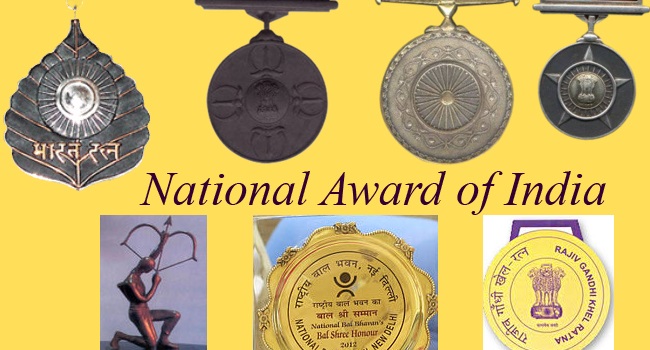
Awards are not just medals or certificates—they are a nation’s way of recognising and encouraging excellence. In India, National Awards celebrate achievements in fields ranging from literature and science to sports, cinema, public service, and acts of bravery. They serve three vital purposes:
- Recognition of Excellence – Acknowledging outstanding contributions.
- Inspiration for Others – Encouraging citizens to strive for national progress.
- Strengthening National Identity – Reinforcing values like bravery, creativity, service, and innovation.
Here’s a comprehensive overview of India’s major National Awards, their historical importance, and first recipients.
1️⃣ Civilian Awards
🔹 Bharat Ratna
- Instituted: 1954
- Field: Exceptional service in any field of human endeavour (arts, science, literature, public service, sports).
- Importance: Symbolises the nation’s highest gratitude; often conferred posthumously to great visionaries.
- First Recipients (1954): Dr. Sarvepalli Radhakrishnan, C. Rajagopalachari, Dr. C.V. Raman.
- Why Important: It unites diverse fields—politics, arts, science—under one national honour, showcasing India’s plural excellence.
🔹 Padma Awards (Padma Vibhushan, Padma Bhushan, Padma Shri)
- Instituted: 1954
- Field: Various domains including literature, arts, social work, medicine, science, trade, and sports.
- Importance: Democratised recognition—ordinary citizens, social workers, and grassroots leaders are often honoured alongside celebrities.
- First Recipients (1954):
- Padma Vibhushan: Satyendra Nath Bose (Physics) & others
- Padma Bhushan: K. Shankar Pillai (Cartoonist) & others
- Padma Shri: Dhyan Chand (Hockey) & others
2️⃣ Gallantry Awards
Instituted after Independence to recognise bravery, valour, and sacrifice by the Armed Forces and civilians.
🔹 Wartime Gallantry Awards
- Param Vir Chakra (PVC, 1950): Highest wartime gallantry award.
- First Recipient: Major Somnath Sharma (posthumous, 1947 Kashmir war).
- Importance: Embodies supreme sacrifice for the nation.
- Maha Vir Chakra (MVC, 1950): 2nd highest wartime award.
- First Recipient: Lt. Col. Dewan Ranjit Rai (posthumous, 1947).
- Vir Chakra (VrC, 1950): 3rd highest wartime award.
- First Recipients: Several soldiers in 1947–48 operations.
🔹 Peacetime Gallantry Awards
- Ashoka Chakra (1952): Highest peacetime gallantry award.
- First Recipient: Flight Lt. Suhas Biswas.
- Kirti Chakra (1952): For conspicuous courage in peacetime.
- Shaurya Chakra (1952): For gallantry not in the face of the enemy.
- Importance: Showcases that courage is not limited to the battlefield—disaster relief, counter-insurgency, and civil bravery are equally honoured.
3️⃣ Awards in Arts, Literature & Cinema
🔹 Sahitya Akademi Award
- Instituted: 1954
- Field: Literary excellence in 24 Indian languages.
- First Recipient (1955): Makhanlal Chaturvedi (Hindi).
- Importance: Encourages preservation and growth of regional languages and culture, safeguarding India’s diversity.
🔹 Jnanpith Award
- Instituted: 1961
- Field: Highest honour in Indian literature.
- First Recipient (1965): G. Sankara Kurup (Malayalam poet).
- Importance: Recognises writers shaping Indian identity and thought through literature.
🔹 National Film Awards
- Instituted: 1954
- Field: Excellence in Indian cinema.
- First Winners (1954):
- Best Feature Film – Shyamchi Aai (Marathi)
- Best Actor (1967) – Uttam Kumar
- Best Actress (1967) – Nargis Dutt
- Importance: Bridges art and society, rewarding cinema as a tool for social change and cultural preservation.
4️⃣ Science & Technology Awards
🔹 Shanti Swarup Bhatnagar Prize
- Instituted: 1958
- Field: Scientific research in India.
- First Recipient (1958): Prof. Darashaw Nosherwan Wadia (Geology).
- Importance: Encourages scientific innovation, vital for India’s growth in space, defence, and technology.
🔹 National Technology Awards
- Instituted: 1999
- First Recipients: Pioneers in industrial innovation.
- Importance: Boosts India’s vision of self-reliance (Atmanirbhar Bharat) by promoting indigenous innovation.
5️⃣ Sports Awards
🔹 Major Dhyan Chand Khel Ratna Award
- Instituted: 1991–92
- First Recipient: Viswanathan Anand (Chess).
- Importance: Highest sporting honour, motivating athletes to achieve global excellence.
🔹 Arjuna Award
- Instituted: 1961
- First Recipients: 20 athletes including Arjan Singh (Athletics).
- Importance: Encourages consistency and long-term excellence in sports.
🔹 Dronacharya Award
- Instituted: 1985
- First Recipients: O.M. Nambiar (Athletics), B.B. Bhagwat (Wrestling), Om Prakash Bhardwaj (Boxing).
- Importance: Recognises that behind every champion is a coach who shapes them.
6️⃣ Public Service & Peace Awards
🔹 Gandhi Peace Prize
- Instituted: 1995 (marking Gandhiji’s 125th birth anniversary).
- First Recipient: Julius Nyerere (President of Tanzania).
- Importance: Strengthens India’s global image as a promoter of peace, non-violence, and social justice.
🔹 National e-Governance Awards
- Instituted: 1996
- Importance: Encourages use of digital technology for good governance, aligning with India’s Digital India mission.
📌 Conclusion
National Awards of India are more than recognition—they are reflections of India’s values: courage, creativity, excellence, and service. From a soldier’s sacrifice on the battlefield to a poet’s contribution in shaping thought, from a scientist’s discovery to a sportsperson’s achievement—these awards remind us that nation-building is a collective effort.
For aspirants of civil services and defence exams, knowledge of these awards, along with their historical context and first recipients, is a must for essay writing, interviews, and general studies.